Intestinal malabsorption
Intestinal malabsorption refers to the impaired absorption of nutrients, including carbohydrates, proteins, fats, vitamins, and minerals, in the small intestine. This condition can result from a wide range of etiologies, including structural abnormalities, functional disorders, and enzyme deficiencies. Patients with intestinal malabsorption may present with various symptoms related to nutritional deficiencies.
Causes of Intestinal Malabsorption:
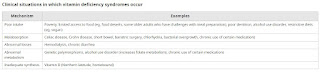
- Structural Abnormalities: Structural abnormalities, such as Crohn's disease (chronic inflammatory bowel disease), Celiac disease (Autoimmune disorder that damages the small intestine), Intestinal obstruction, and surgical resections, can disrupt the normal absorption of nutrients in the small intestine.
- Functional Disorders: Functional disorders, such as irritable bowel syndrome (IBS) and small intestinal bacterial overgrowth (SIBO), can interfere with the absorption process.
- Enzyme Deficiencies: Deficiencies of digestive enzymes, such as lactase, pancreatic enzymes, and bile salts, can impair the breakdown and absorption of nutrients.
- Others: Some medications such as antibiotics and proton pump inhibitors, Infection with parasites, Bacterial overgrowth
Symptoms of Intestinal Malabsorption:
The symptoms of intestinal malabsorption can vary depending on the specific nutrients that are not being absorbed adequately. Common symptoms include:
- Diarrhea is the most common symptom of malabsorption. Diarrhea can be watery, loose, and foul-smelling.
- Abdominal bloating and cramps.
- Steatorrhea (fatty stools).
- Weight loss (even if you are eating a healthy diet) and malnutrition.
- Weakness, fatigue, difficulty concentrating and bone loss (Osteoporosis).
- Anemia: a condition in which the body does not have enough red blood cells.
- Vitamin and mineral deficiencies (e.g., vitamin D deficiency, iron deficiency anemia).
Diagnosis of Intestinal Malabsorption:
Diagnosing intestinal malabsorption requires a comprehensive evaluation of the patient's medical history, physical examination, laboratory tests, and imaging studies. Diagnostic approaches may include:
- Blood tests to assess nutrient levels, such as vitamin B12, iron, and calcium
- Stool tests to analyze fat content and detect malabsorption
- Imaging studies, such as abdominal X-rays, computed tomography (CT) scans, or magnetic resonance imaging (MRI), to identify structural abnormalities
- Endoscopic procedures, such as upper gastrointestinal endoscopy or colonoscopy, to visualize the gastrointestinal tract and obtain tissue samples for analysis
Treatment of Intestinal Malabsorption:
The treatment of intestinal malabsorption aims to address the underlying cause and manage the associated symptoms. It may include the following:


- Dietary modifications: Elimination or restriction of specific foods, such as gluten in celiac disease or lactose in lactose intolerance, to improve nutrient absorption.
- Enzyme replacement therapy: Supplementation with digestive enzymes, such as pancreatic enzymes or lactase, to aid in nutrient digestion and absorption.
- Nutritional supplementation: Providing adequate amounts of essential nutrients through oral supplements or intravenous administration to correct deficiencies.
- Pharmacological interventions: Medications may be prescribed to manage symptoms such as diarrhea, bacterial overgrowth, or inflammation.
- Management of underlying conditions: Treating the primary cause, such as inflammatory bowel disease or SIBO, can help improve intestinal absorption.
Prognosis:
The prognosis for malabsorption depends on the underlying cause. However, with proper treatment, most people with malabsorption can live normal, healthy lives.
Complications:
Malabsorption can lead to a number of complications, including:
- Nutrient deficiencies: Malabsorption can lead to a number of nutrient deficiencies, such as anemia, low levels of vitamin B12, and low levels of calcium. These deficiencies can lead to a variety of health problems, such as fatigue, weakness, and bone loss.
- Infections: Malabsorption can increase the risk of infections, such as pneumonia and urinary tract infections.
- Cancer: Malabsorption has been linked to an increased risk of certain cancers, such as colon cancer and pancreatic cancer.
Prevention:
There is no sure way to prevent malabsorption. However, there are some things you can do to reduce your risk, such as:
- Eating a healthy diet: Eating a healthy diet that is rich in fruits, vegetables, and whole grains can help to keep your digestive system healthy.
- Avoiding processed foods: Processed foods are often high in fat and sugar, which can contribute to malabsorption.
- Getting regular exercise: Regular exercise can help to improve digestion and absorption.
- Managing stress: Stress can contribute to digestive problems, so it is important to find healthy ways to manage stress.
Conclusion:
Intestinal malabsorption is a complex condition that can result from various underlying causes. Prompt recognition, accurate diagnosis, and appropriate treatment are crucial to prevent nutritional deficiencies and associated complications. A multidisciplinary approach involving gastroenterologists, dietitians, and other healthcare professionals is essential to optimize the management of patients with intestinal malabsorption.



Comments
Post a Comment